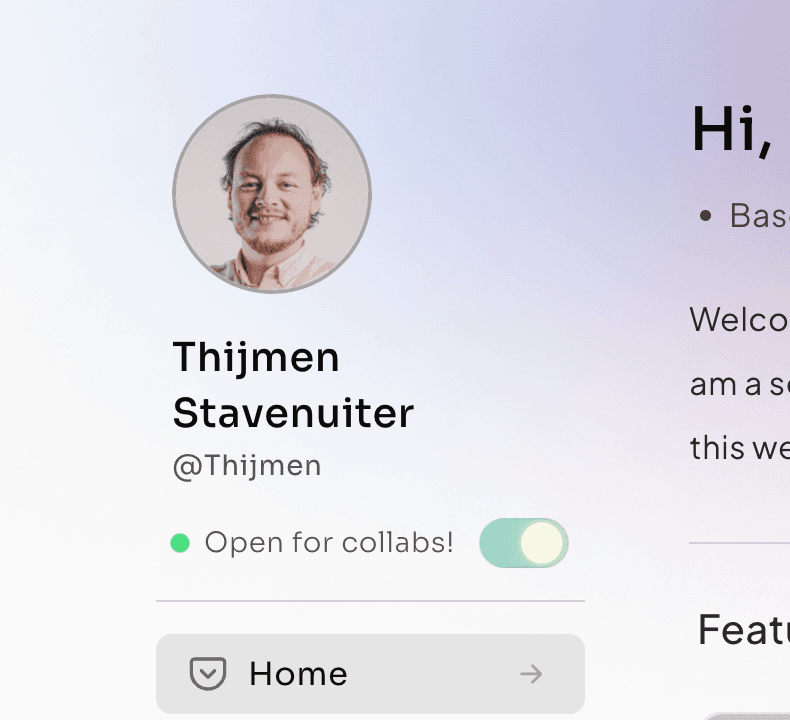
thijmen.dev
Personal website, blog and CV for myself. Fully open source and self-hosted on a small VPS.
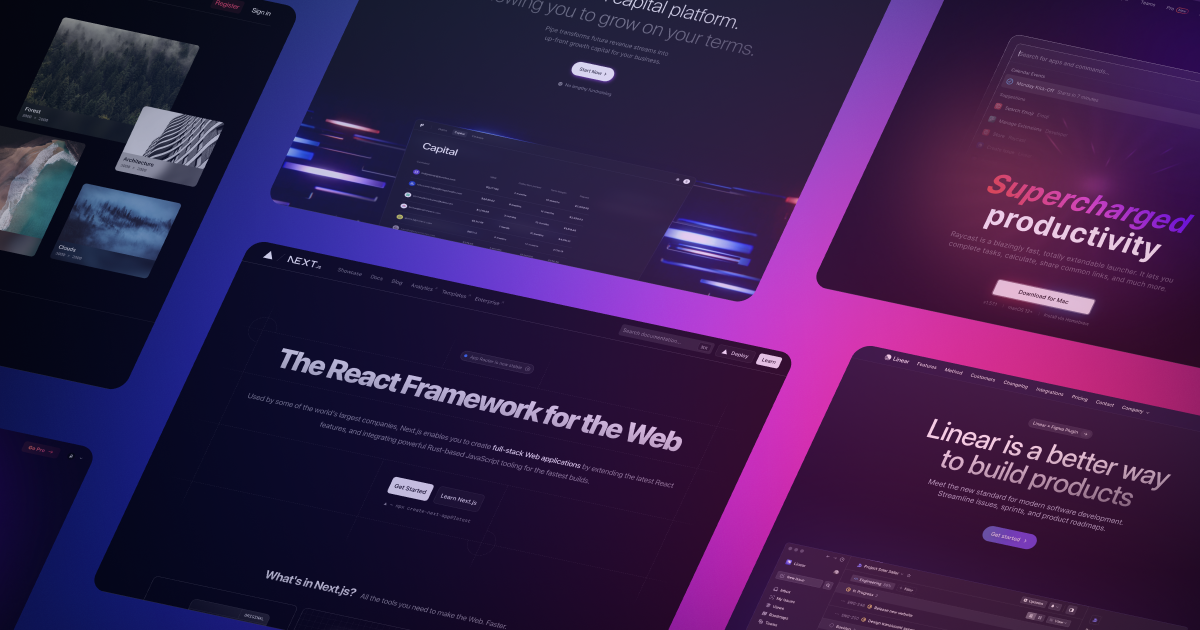
Some screenshots :)
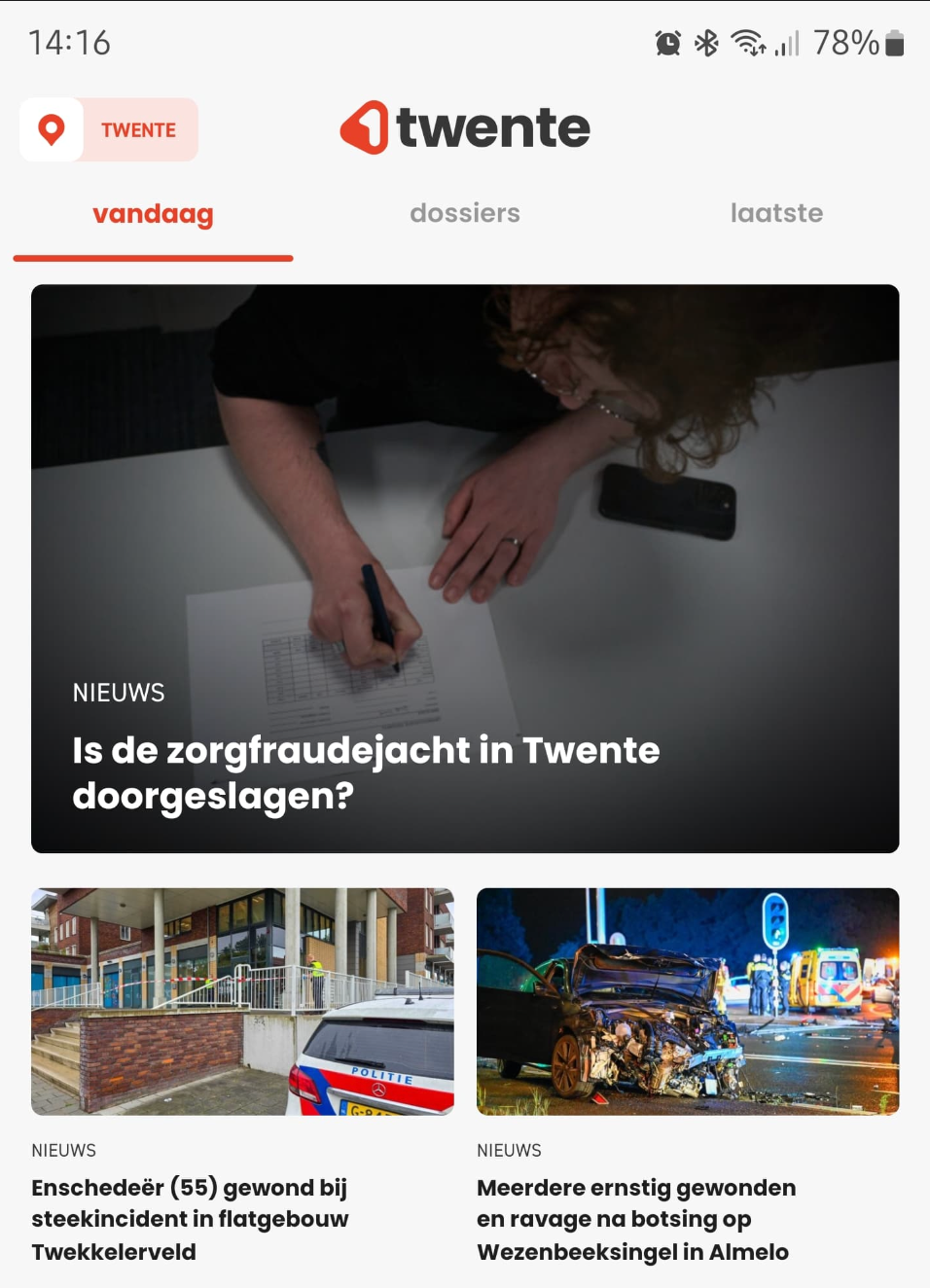
1Twente app
This is description of the app
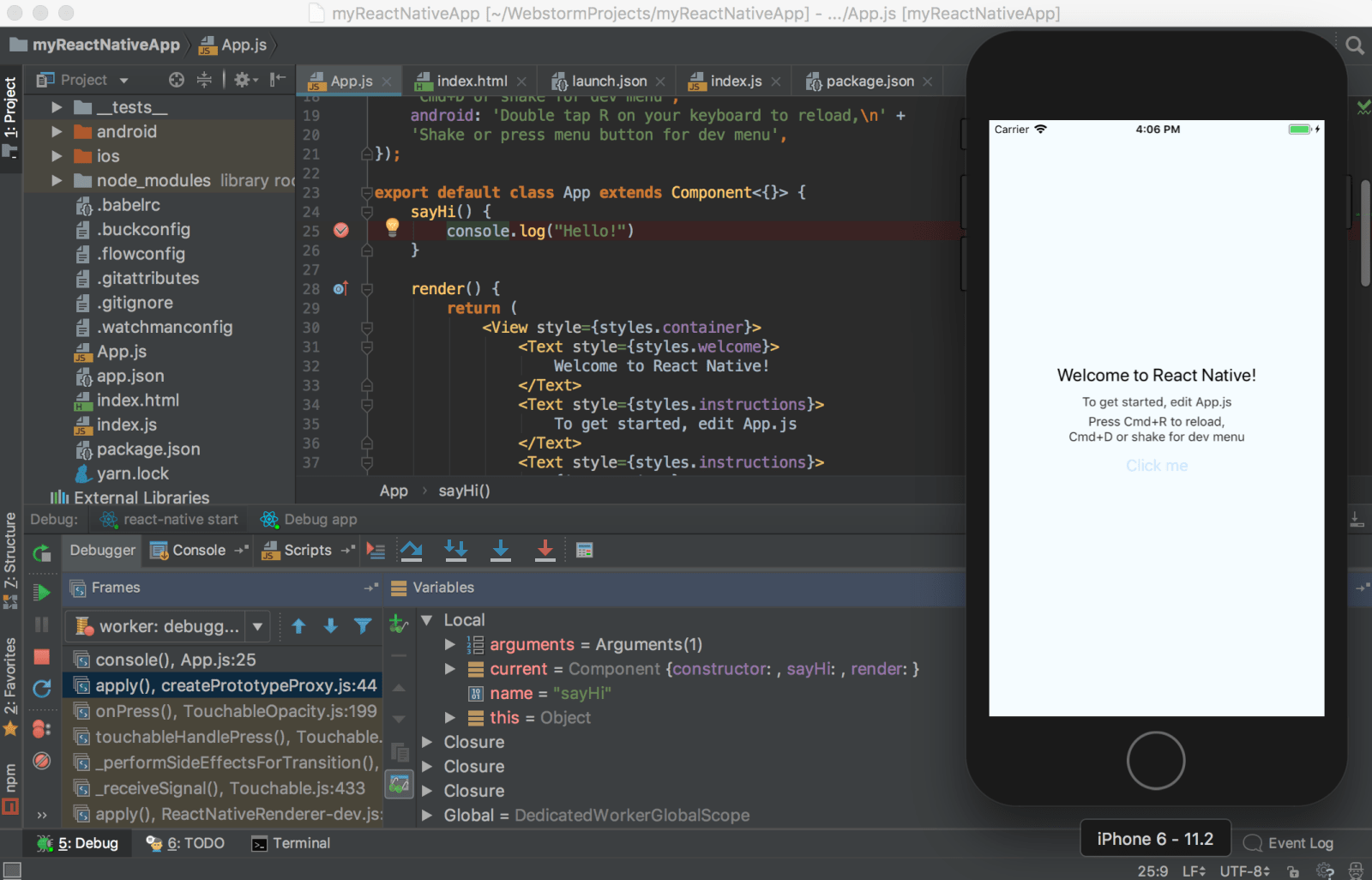
Building My Personal Site: A Developer's Journey with NextJS, TypeScript, and PayloadCMS
As a lead developer, I'm always looking for the right stack to bring my projects to life. For my personal site, I wanted a modern, performant solution that would give me full control while remaining maintainable. Here's how I built my site using NextJS, TypeScript, and PayloadCMS, all hosted on a Hetzner VPS.
Why This Stack?
My tech choices were deliberate. NextJS provides an exceptional React framework with built-in routing, image optimization, and server-side rendering. TypeScript adds type safety that catches errors before they happen and improves code maintainability. PayloadCMS gives me a flexible, developer-friendly content management system that doesn't dictate how I structure my frontend.
Development Process
The development journey started with setting up a NextJS project with TypeScript support. I appreciated how seamlessly these technologies work together, allowing me to create a type-safe application with excellent developer experience.
Integrating PayloadCMS was straightforward. Its GraphQL API made fetching content for my pages simple and efficient:
Deployment Strategy
For hosting, I chose a Hetzner VPS for its balance of performance, control, and cost-effectiveness. My deployment setup includes:
- Nginx as a reverse proxy
- PM2 for process management
- GitHub Actions for CI/CD pipeline
- Let's Encrypt for SSL
This configuration gives me complete control over my hosting environment while maintaining reasonable costs.
Lessons Learned
This project reinforced several key principles in modern web development:
- Type safety pays dividends in maintainability
- A headless CMS provides flexibility without sacrificing content management
- Server-side rendering improves both SEO and performance
- Self-hosting requires more setup but offers greater control
What's Next
Moving forward, I plan to expand my site with new features including an improved portfolio section, integration with my GitHub repositories, and performance optimizations to achieve perfect Lighthouse scores.